Five Ways to Entice a Reluctant Audience When You Read Aloud
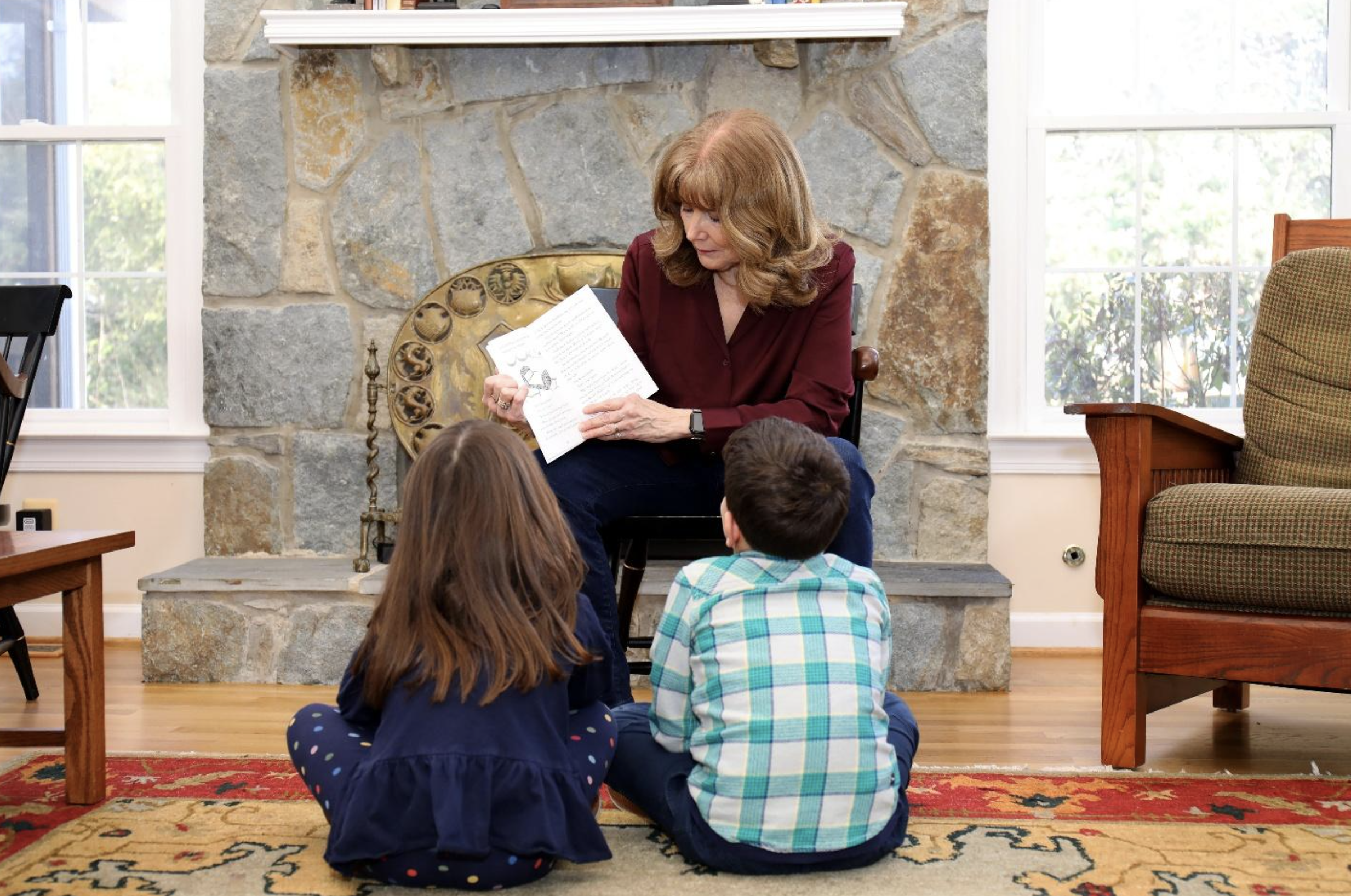
Here I am sharing my book Mona the Mermaid: Mona Stalks a Jackal with some of my young beta readers, who provided early feedback about the story.
Not all children share our vision of snuggling under a blanket as we read them a chapter book. But here are some ways to make read-aloud sessions more fun -- for you and your child.
My parents were big on read-aloud stories. In fact, long after my siblings and I were strong readers, we still looked forward to having a few chapters of some book read to us each evening. Little Women. Anything Beverly Cleary or Judy Bloom. The entire Little Home on the Prairie series.
When I had my own children, I was disappointed when my son didn’t love the same books I’d adored as a child. Actually, saying I was disappointed is putting it mildly. I worried he’d never enjoy reading, still one of my favorite past times.
I finally stopped catastrophizing long enough to take him to the library and let him loose. Following him around our well-stocked children’s section taught me a few things about strategies to try with a child who seems too busy or distractable to listen to read-aloud stories.
It might take some patience and creativity, but these tips should help you entice even the most reluctant listeners:
1/ Meet Them Where They’re At
My son didn’t hate books. It turned out he was bored with the literature I’d selected, which skewed toward fiction in which young children deal with everyday slights and petty neighborhood dramas. He preferred more action and excitement – and real-life danger. I noticed that during library visits he headed straight to the children’s non-fiction section, particularly books about poisonous snakes and other venomous reptiles.
These books were the last thing on my reading list. But when we checked them out, he loved them and wanted to read them again and again. That led to many visits to the snake house at our local zoo. And “venomous,” “poisonous,” and “non-poisonous” were some of the first words he was able to identify.
2/ Broaden Your Concept of Active Listening
A lot of parents complain their children won’t stay still for a read-aloud story. Our visions of snuggling under a blanket and exploring a chapter book explode when a child would rather sit across the room building block towers and knocking them down with a loud crash.
If you’re like me, you’re likely to get frustrated and give up. What works better, though, is to broaden your concept of active listening to include a distraction. Allowing the child to act out the story while it’s being read, for instance, or to illustrate it.
One of the most wiggle-prone kids I know turns into a great listener when I ask him to draw a picture of the main character in a story while I read it aloud. It helps that he’s proud of his artistic abilities. And he creates elaborate drawings that track the story line of whatever book we’re reading.
Better still, when I ask him questions about the plot, he’s not only followed it, he has fascinating insights about what happened and why.
3/ Tap Into a Child’s Inner Editor
But if a child is sitting across the room and drawing, how do you know if they’re following the story? All you have to do is ask them.
Avoid the “yes” and “no” questions. Instead, ask them the open-ended variety. Did they like the ending? What other ways could the story have ended? Which character was their favorite?
If a child feels strongly about a scene or an ending, ask them to tell you how they’d change it. One seven-year-old I read to took issue with the way a scene played out in an upcoming book I shared with him.
After thinking about it for several days, he came back to me with a suggested revision, which he’d drawn on a piece of paper.
His rewrite made sense, and I used it.
And while he wasn’t crazy about my original version, he loved the fact that I listened to him and made changes based on his recommendations.
4/ Or Turn Them into Fact-Checkers
One group of beta readers for the children’s early chapter books I write are the same age as the audience that my books target. It’s immediately obvious whether the plots in my stories land with this crew. The tell: If they’re bored, they walk away.
If they’re engaged, they ask questions. And their questions frequently show where I’ve skimped on research or have an inconsistency. (As one of these beta readers asked, “Why can the mermaid talk underwater in the beginning but not at the end?”)
Sometimes they spot factual errors, like the time my four-year-old granddaughter gleefully informed me I’d confused “predator” and “prey.”
She was right. Great catch!
5/ Better Yet, Make them Writers
Other times young listeners can get so taken with a story that they suggest their own ideas for books. So, encourage them to write one! Staple together several sheets of blank paper that they can use as their own blank canvas. (Or check out the blank hard-cover options that are sold for less than $10.)
Non-readers can dictate their stories to a trusted adult who can transcribe the words on to the pages for the child. Then the child can draw and color their own pictures or color in images drawn for them. The result makes a treasured gift for adults in their lives.
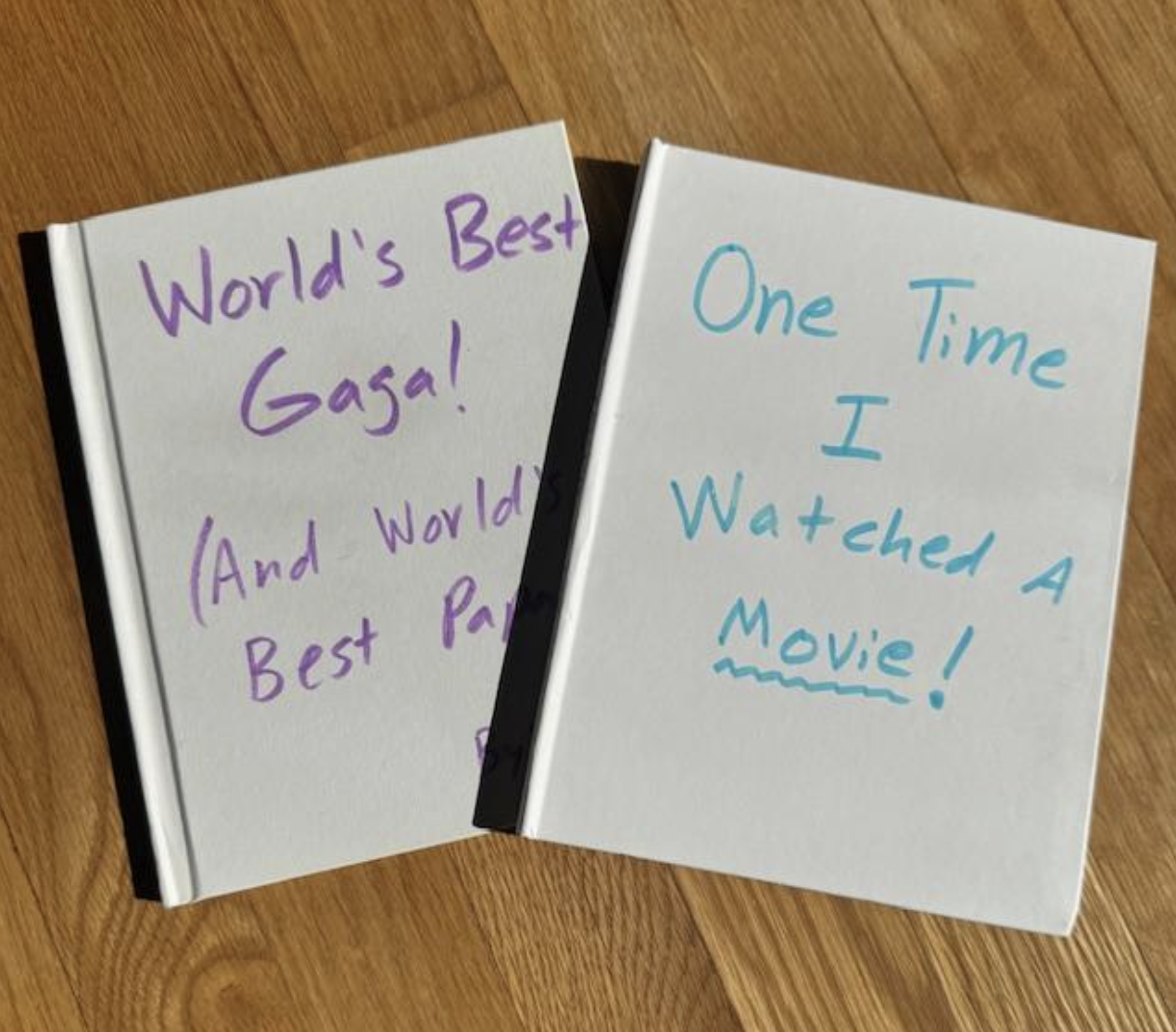
Some of my favorite Mother’s Day presents of all time!
Encouraging children to be more engaged listeners offers a slew of rewards. It helps them develop a love of literature and a love of reading. They’re encouraged to think creatively. They learn to recognize the elements of a plot, what it takes to make an interesting character, and how to effectively describe a setting.
Active listening also helps children develop important life skills. An engaged listener learns to be more fully present during conversations. They can critically evaluate information presented as fact and learn to summarize and paraphrase.
Given those payoffs, I’m more than willing to adjust how I read aloud to children – even when the subject is venomous snakes.